Background – Norco Storm Water Inlet Basin
A key infrastructure owner in the southeastern United States needed to rehabilitate three 48-inch steel pipelines running from a containment pond, under a concrete dam, and directly beneath a building constructed on top of the dam. These pipelines are central to water management and facility operations, but their location made them impossible to access using traditional excavation or pipe replacement methods.
Because the dam structure, concrete encasement, and facility overhead could not be disturbed, the owner required a trenchless solution capable of restoring the pipelines’ internal integrity without disrupting the dam or risking structural impacts.
Solution
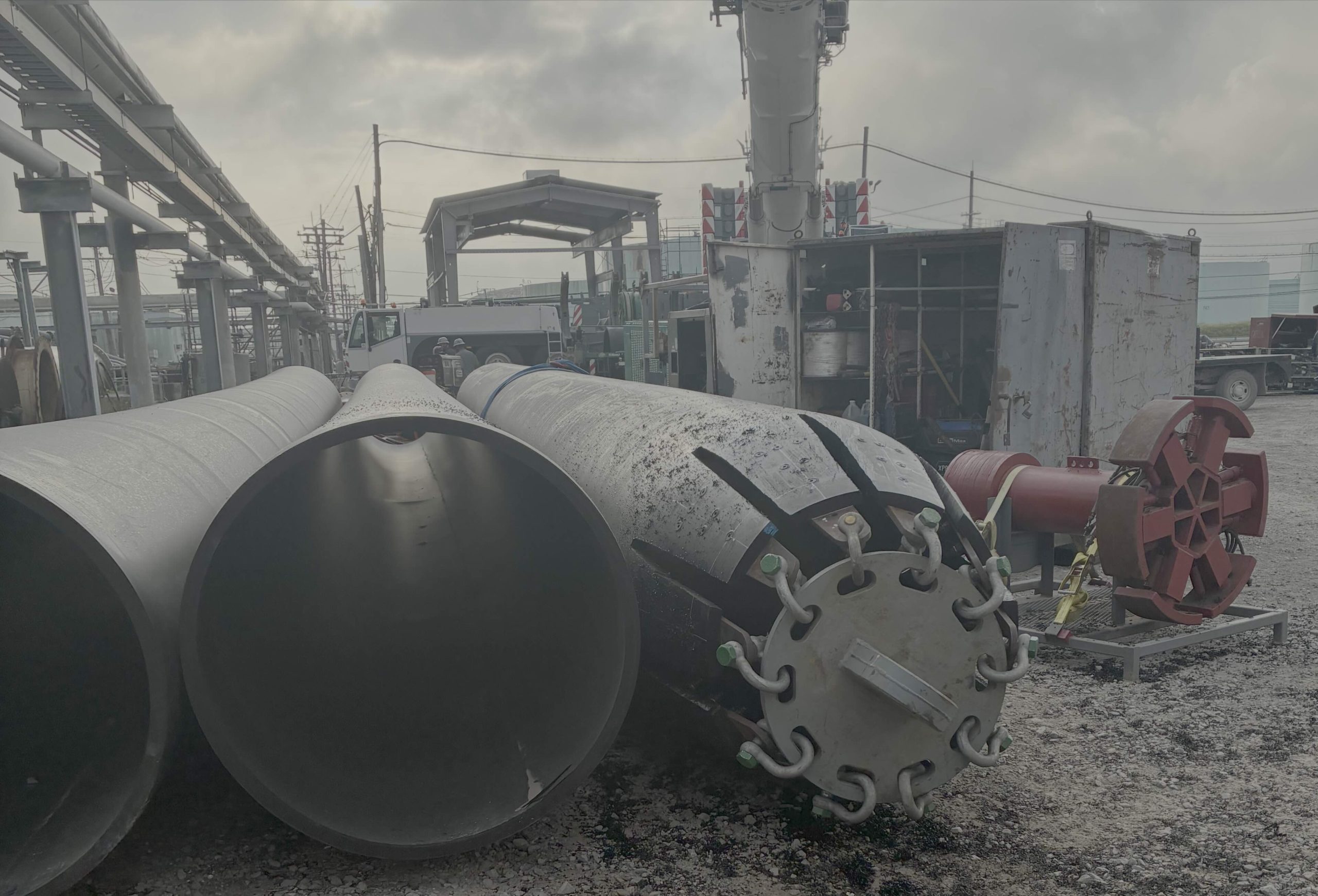
United Pipeline Systems engineered a trenchless rehabilitation plan that involved pushing new liner through all three 48-inch pipelines to create a renewed, corrosion-resistant internal surface. This method allowed United to rehabilitate the pipes from existing access points without disturbing the dam structure or the building above it.
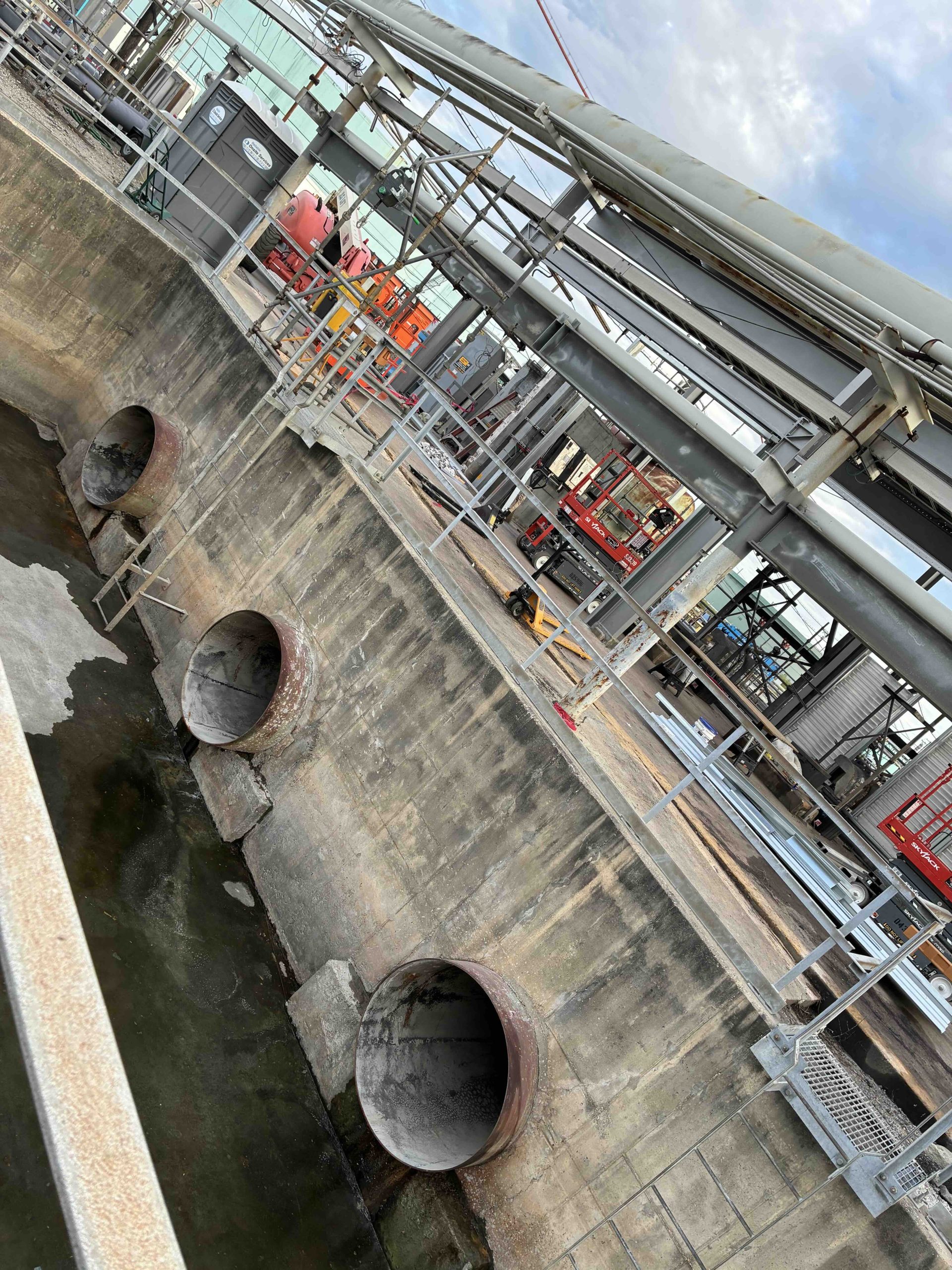
An image of the completed installation.
The process included:
-
Fusing large-diameter thermoplastic liner sections into long lengths
-
Using specialized pushing equipment to insert the liner through the encased steel pipes
-
Expanding the liner into a tight-fit configuration for continuous internal protection
-
Coordinating work around operational constraints to maintain water management activities
Two pipelines have already been completed, with the third scheduled for lining during the next planned work window.
Results
Zero Structural Impact: Rehabilitation was completed without excavation or modifications to the dam or the building above it.
Long-Term Renewal of 48-Inch Pipelines: The new liners provide full-length protection against corrosion and water exposure, extending asset life.
Innovative Trenchless Execution: United’s ability to push liners through concrete-encased pipelines solved an access challenge traditional methods could not address.
Uninterrupted Operations: The facility remained fully functional, avoiding costly shutdowns or service disruptions.
Want to talk about protecting your pipeline infrastructure? Contact us to get started.